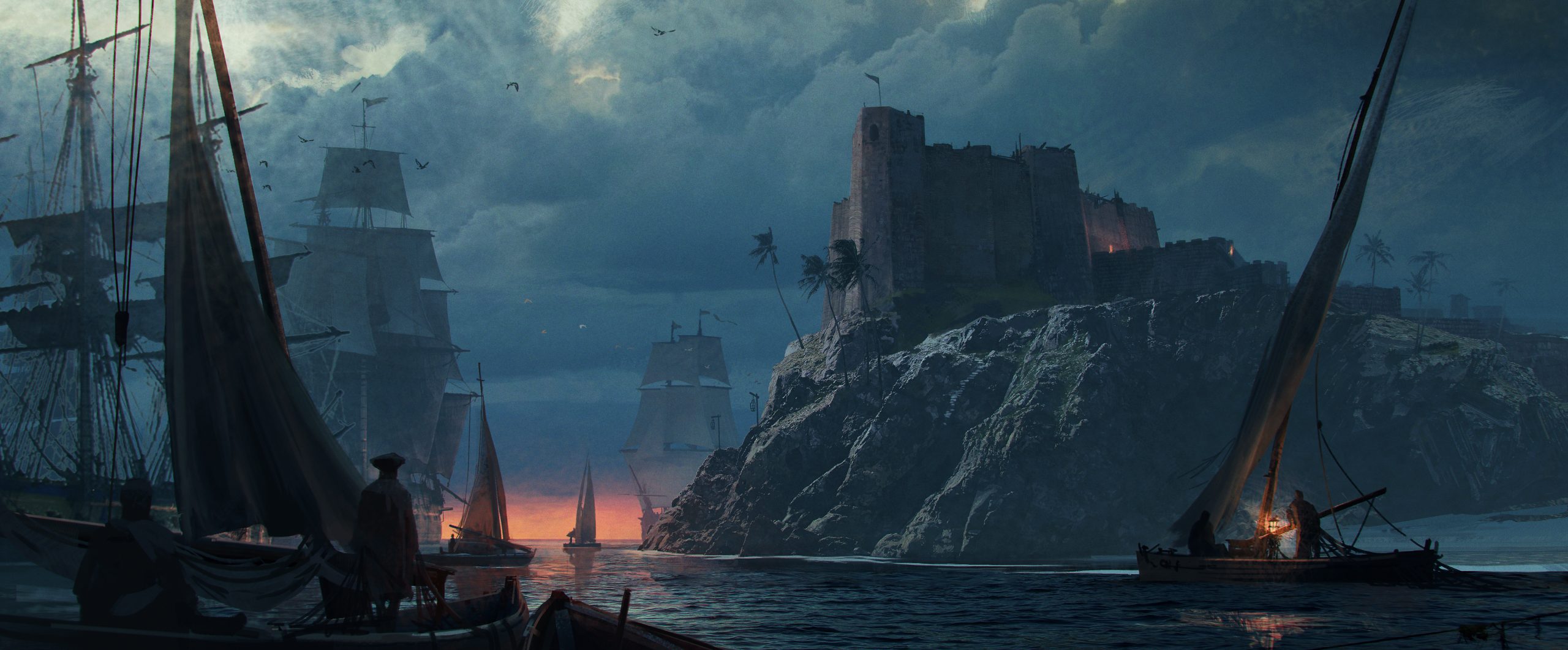
Assassin’s Creed Black Flag Resynced reimagines the original 2013 title for a new generation of players, while preserving everything fans loved about the Caribbean adventure.
Voice design was key to bringing that fantasy back to life. It includes every line in cinematics and NPC performances. “Voice is the human connection of the game,” says Matthew Lazarte, voice designer on the project. A veteran of the franchise since Valhalla, Matthew touched on every part of voice design in Resynced. Below, we look at how the development team used voice to recreate one of the most beloved Assassin’s Creed games.
A narrative expansion
“The theme of the project was always to stay faithful to the original game, no matter what,” says Matthew. But staying faithful did not mean keeping everything the same. As the narrative team reviewed the script, they saw opportunities to expand certain scenes and deepen players’ understanding of the characters. And extended scenes meant new lines.
“Adding new lines was one of the biggest challenges,” says Matthew, “because of the 13-year gap between Black Flag and Resynced.” The team had to make sure the new lines blended seamlessly with the original ones, so players wouldn’t notice a difference, and the scene would feel like a coherent whole.
“The only way we could do it,” explains Matthew, “was to bring back the original actors—no matter what.” Studio Alice, Ubisoft’s internal casting, audio, and motion capture team, made this happen. They rebooked the main cast and supporting characters, including Matt Ryan (Edward Kenway) and Sarah Greene (Anne Bonny). “Alice was a huge part of the process, and we simply couldn’t have done it without them,” Matthew says.
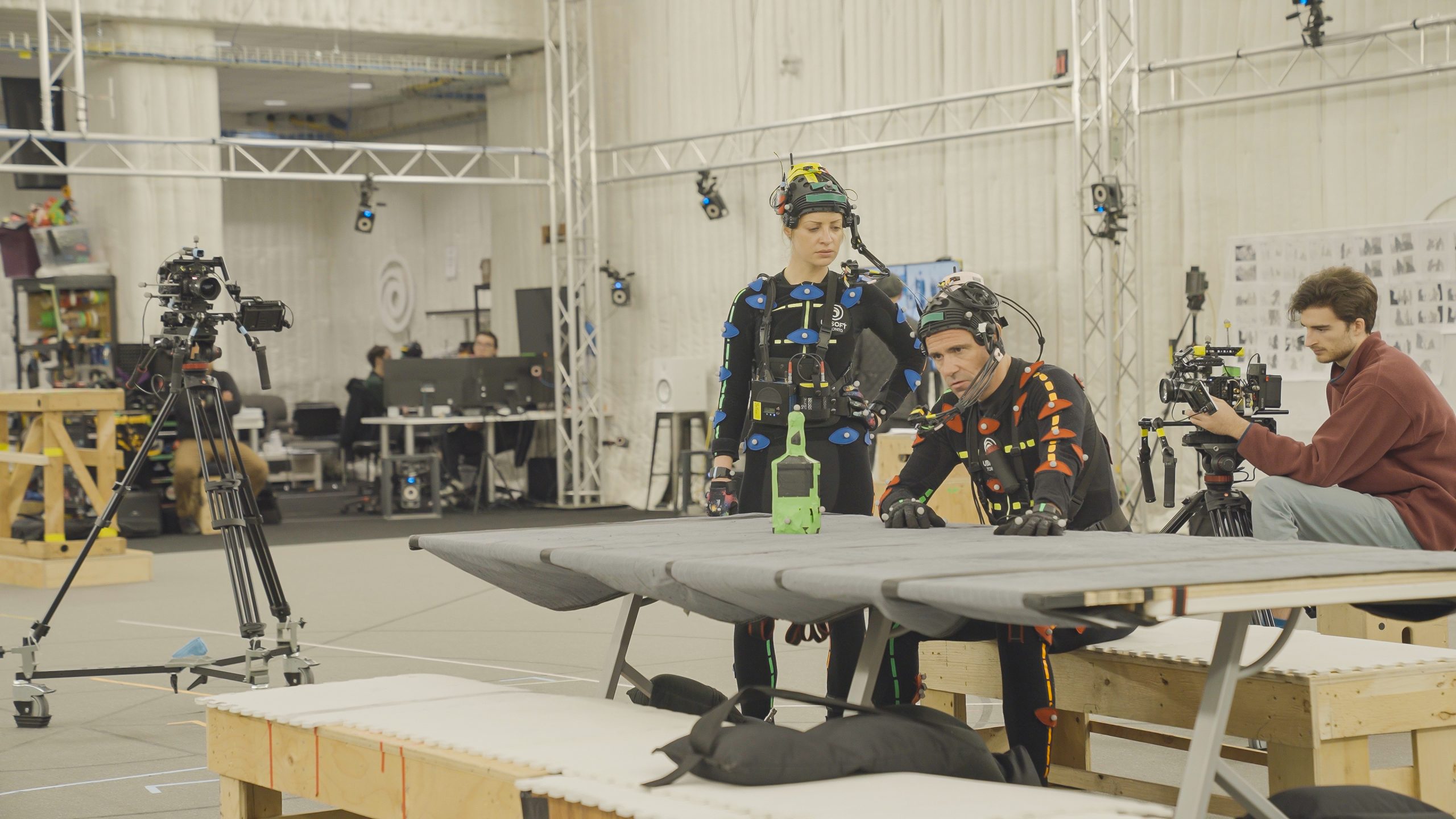
But that was only half the challenge. The actors also had to match performances they gave 13 years ago. “When some of them recorded the original Black Flag, they were early in their careers. Now they’ve done so many projects that they’ve become very experienced and can add new layers of performance to their lines,” says Matthew. “So, we made sure that when they did their lines, we played back original scenes as a reference. The actors had to recreate what they did, and they did a really good job. They sound almost exactly the same.”
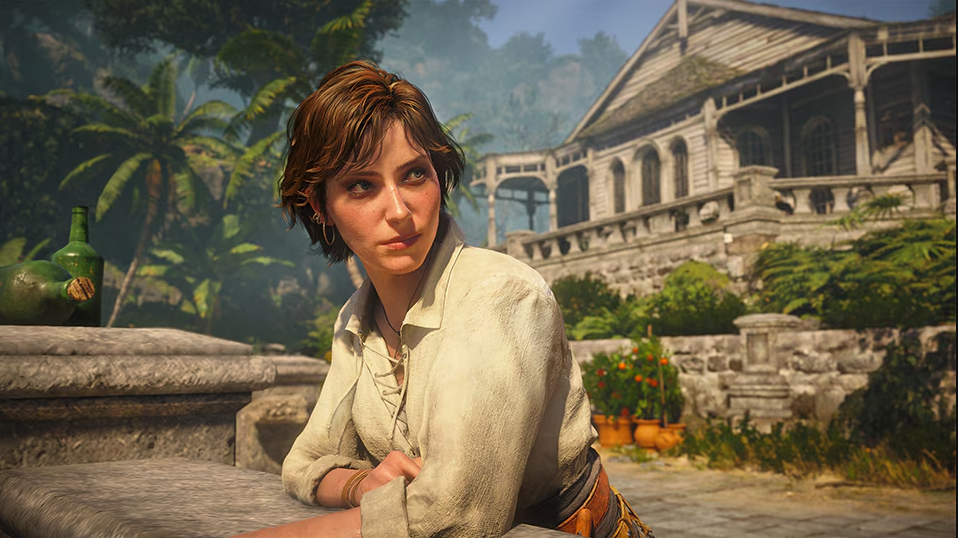
The final challenge was more technical: to blend the new lines with the original ones in such a way that they would be indistinguishable from one another. “We had to make it feel like everything was recorded today, because a lot has changed in the industry since Black Flag,” Matthew explains. “So we redid the post-production and combined the original lines with the new to make them consistent and level up the quality.”
“That’s what we do as voice designers,” he adds. “We glue everything together.”

Thankfully for the team, some developers from the original Black Flag also worked on this project, including creative director Paul Fu and audio director Erik-Jon Evangelista. “We could actually confirm certain things with them and find out what they did before,” says Matthew. “And if what they did back then wouldn’t work now, we came up with new ways together.”
Such veterans came from Ubisoft studios across the globe and were joined by developers who had experience on other games. “We learned a lot from each other,” Matthew adds.
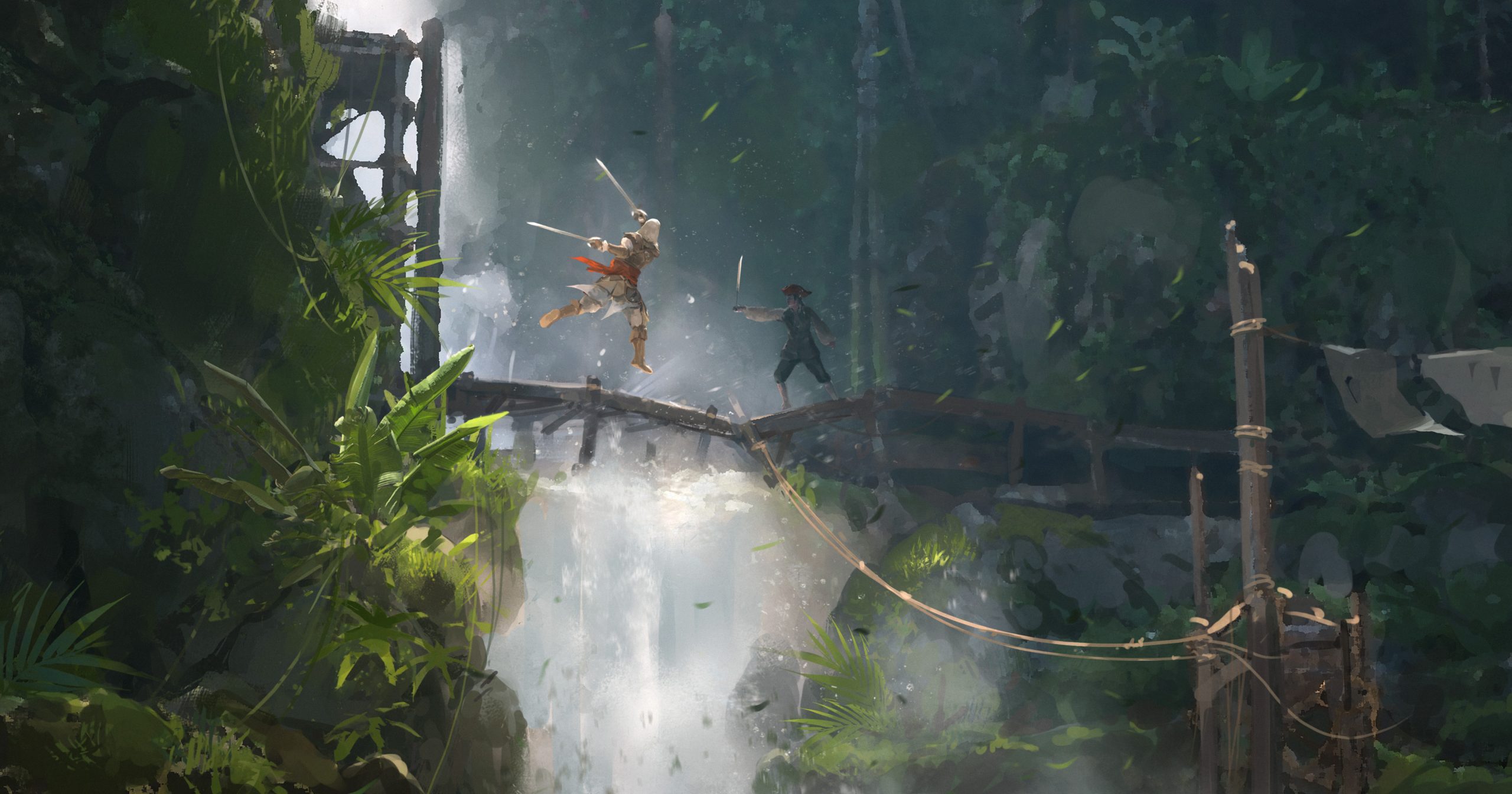
Matthew is based in Montreal but led a voice design team in Singapore. “The voice team was incredibly dedicated, resilient, and passionate about the work,” he says. “No matter the challenge, they stepped up, helped each other out, and found solutions. We spent a lot of time learning, troubleshooting, adapting, and pushing through difficult moments together.“
“Since I was helping to lead the voice team, I wanted to be with them on that time zone,” Matthew adds. The time difference between Montreal and Singapore is 12 hours. Matthew had to attend recording sessions in Montreal, Toronto, and the United Kingdom, where most of the main cast is based. “At times, it really felt like we were in the trenches together, tackling whatever the project threw at us. Through it all, the team never lost sight of the goal. It was one of the most collaborative and supportive teams I’ve ever worked with. I’m grateful for everything they brought to the project.”
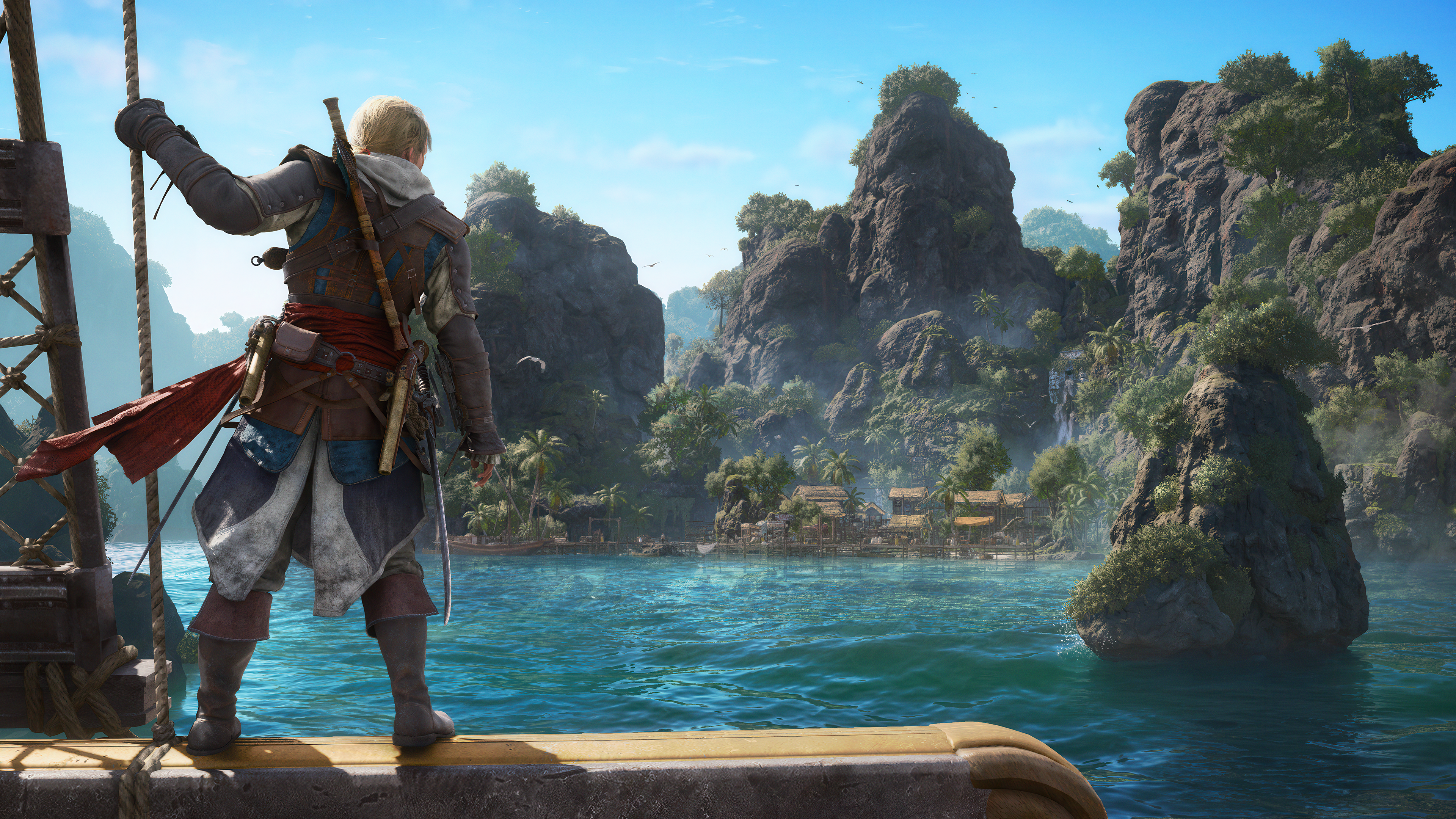
Systemic rebuilding
Besides cinematics, the world itself tells part of the story, namely through player interactions with crowds, guards, merchants, and other minor NPCs—what developers call the “systemic” side.
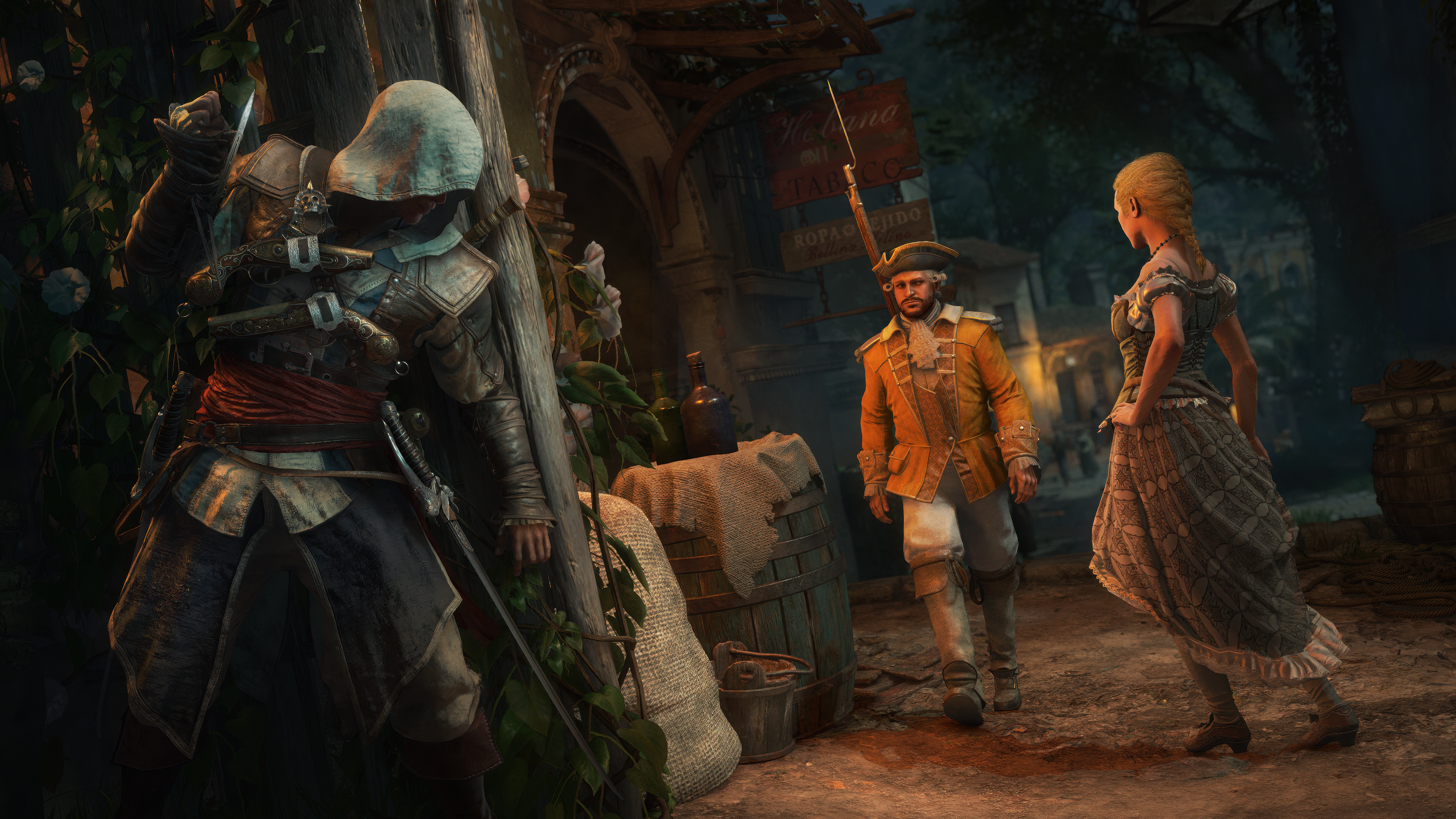
“Systemic was a whole different ballgame from the narrative side,” says Matthew. The Anvil engine used for Assassin’s Creed games has gone through two major updates since the original Black Flag. As a result, how files are stored and used has changed completely.
“It’s like we had to restore a building without altering the outside,” Matthew explains. “It had to have new electrical, new pipes, new insulation—new everything. Basically, the outside had to look exactly the same, but the inside was all new.”
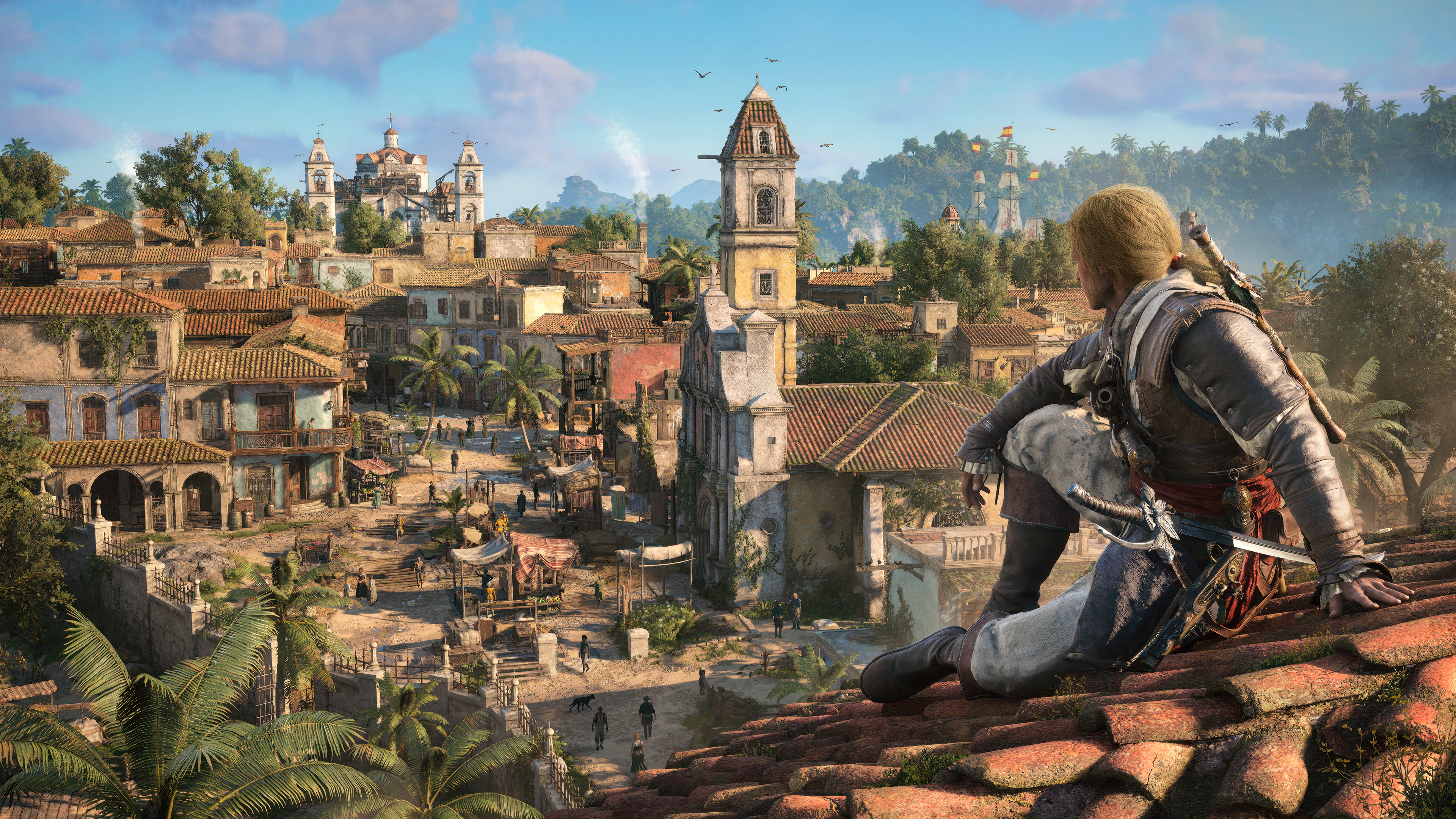
That novelty was the result of innovations made in previous Assassin’s Creed games. “The NPCs have come a long way. There are behaviours now that they didn’t have in the original, and we had to accommodate that,” he says. For instance, guards exclaim when they spot the player again after losing sight of them during a chase, or crew members on the player’s ship call out enemy boats when they’re in range.
“There are now so many conditions for just one line to play. It can depend on the time of day, the weather, the number of people around, or the player’s health—it can be anything,” explains Matthew. “This level of detail didn’t exist before, but we wanted to upscale the world with reactions and conversations.”
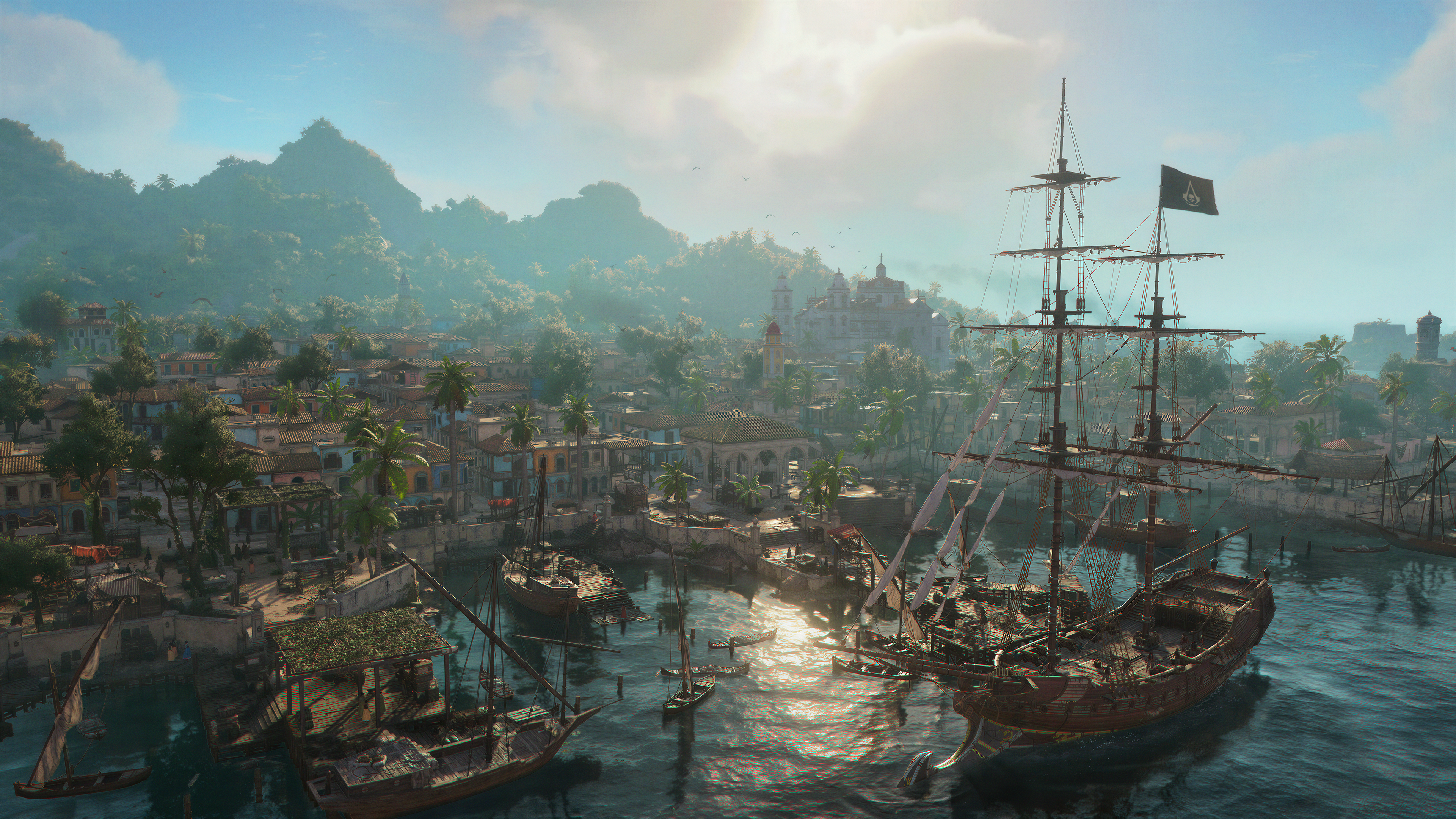
The team couldn’t simply copy the original audio files into the new engine since they wouldn’t be tied to any conditions or animations. To make the systemic side of things work, everything had to be redone. And so, using the original scripts, the team re-recorded almost all the original lines for the NPCs, and added new ones, just like on the narrative side.
“Our desire to stay faithful to the original game was a self-check,” says Matthew. “Like, if we add this line, does it stay faithful? Yes? Okay then, let’s proceed.” For example, Edward now has more systemic reactions than in the original, such as pithy remarks after winning a fight. These additions enrich the experience without changing its tone.
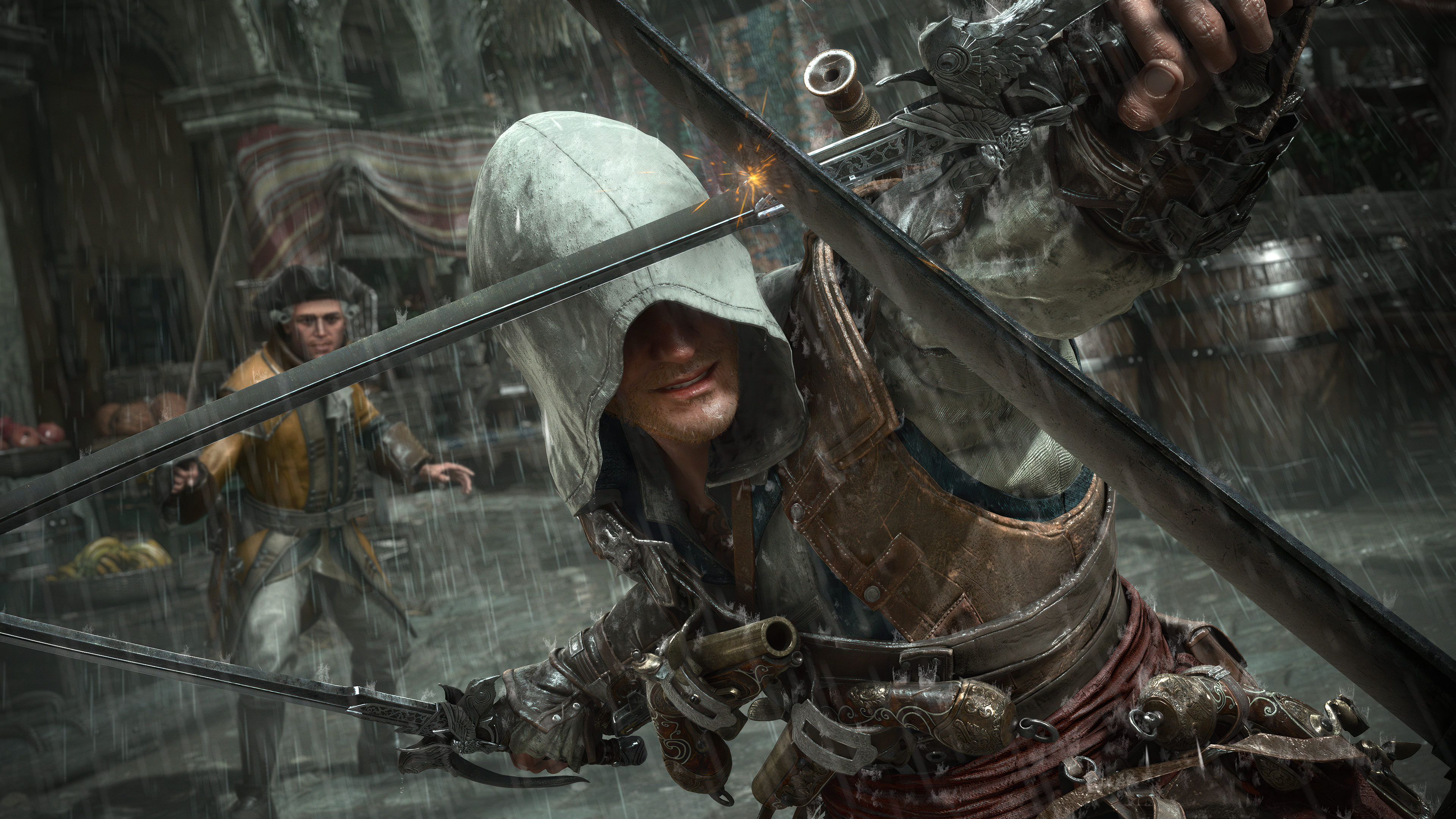
In fact, a guiding principle for the team was to improve the world without drawing attention to what they had added. “In audio, I would say the biggest compliment is when players don’t notice anything,” Matthew says. “If it’s invisible, that means it worked.”
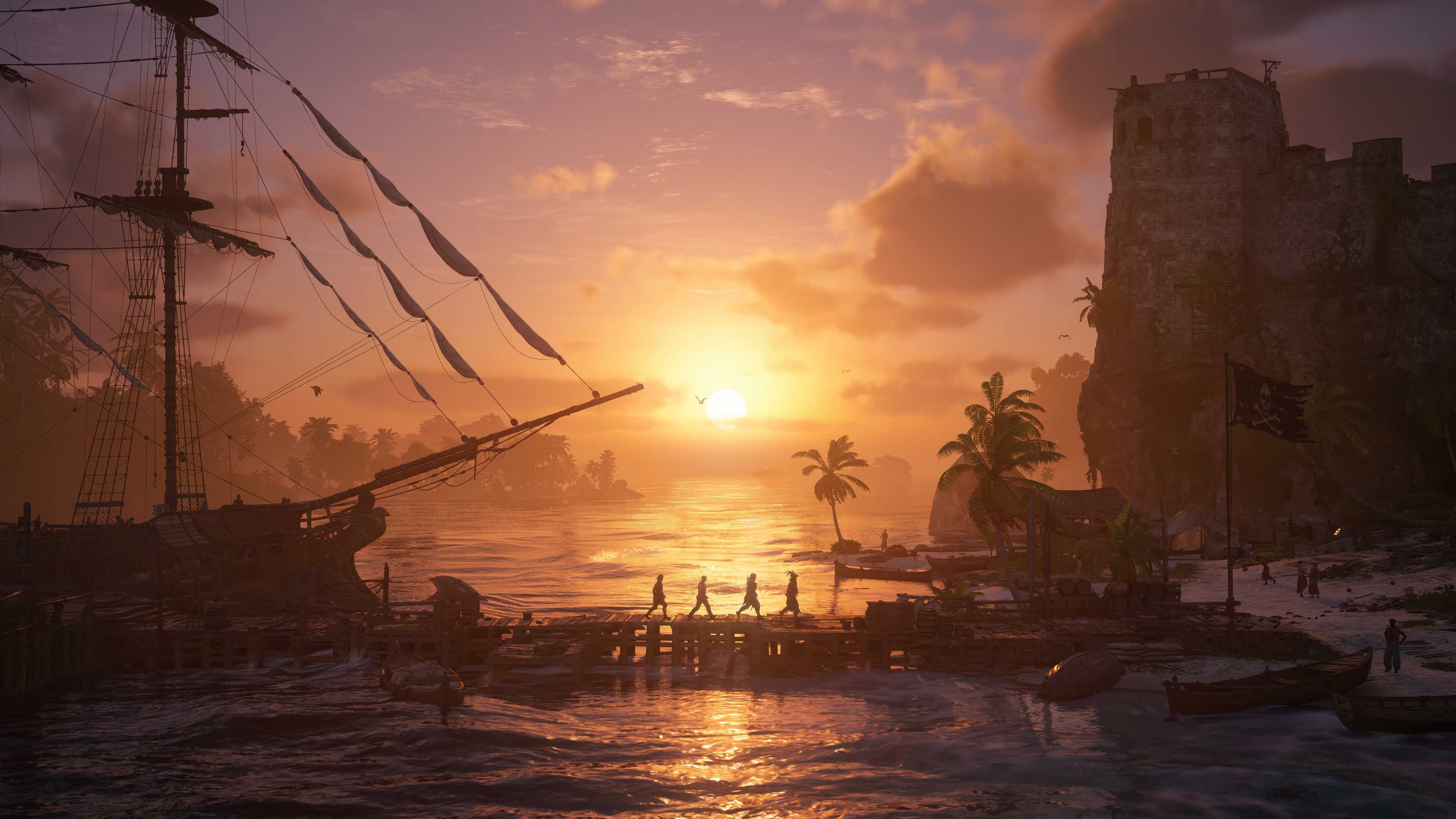
With over six hours of new voice content and 12,000 lines, players can expect a deeper and more immersive Caribbean experience. And hopefully, it will feel as natural as the first time they stepped into Edward Kenway’s boots.